Why One Photograph Can Unlock a Lifetime of Memories
Why One Photograph Can Unlock a Lifetime of Memories
Sometimes the best way to ask someone about a life is not to ask them about their life at all. Look at a photograph instead.
There is something wonderfully disarming about an old photograph. Put one in someone's hands and suddenly the conversation has somewhere to go. There are people to point at, clothes to laugh about, rooms that no longer exist, haircuts that require explanation. And then, almost without noticing, the real stories begin.
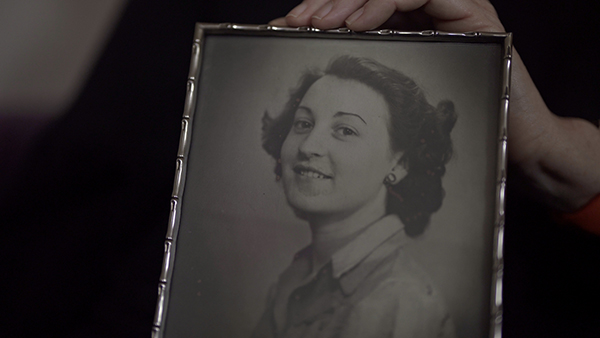
In this short film, one photograph becomes the starting point for a much bigger conversation about family, childhood, relationships and the people who shaped a life. That's one of the reasons I love using photographs when I'm interviewing people.
A photograph takes the pressure off
Ask somebody directly, Tell me about your childhood, and it's an enormous question. Where do you start? It also immediately places the person themselves at the centre of the conversation. For some people, particularly those who aren't accustomed to being interviewed, that can feel surprisingly intimate and intimidating.
A photograph gives them something else to talk about. Who is that? Where was this taken? What was happening here? At first, they're simply describing what they can see. One person reminds them of another. A room brings back the house it belonged to, a particular expression reminds them what somebody was like. And before long, we've travelled far beyond the edges of the photograph.
Photographs are memory prompts, not just records
We tend to think of family photographs as evidence of what happened: a wedding, a holiday, a birthday, a new baby. But what they don't show can be much more interesting. They don't tell us who was arguing five minutes before the picture was taken. Who always made everybody laugh. Who somebody was secretly frightened of. Why two people were particularly close. What happened to the family afterwards.
The photograph records the moment, the person holding it supplies the life around it.
This is why preserving family photographs isn't quite the same as preserving family history. The photograph survives, but without the stories around it, much of its meaning can disappear within a generation or two.
And because they're responding to something tangible rather than trying to summon a story from nowhere, memories often arrive with extraordinary detail. Not simply that's my mother, but the sound of her voice, the coat she always wore, the thing she used to say, and the way she behaved when she was cross.
An indirect route to intimate stories
There's another reason photographs are such useful storytelling tools. They create a little bit of distance. Someone can begin by talking about the people in the picture rather than themselves. It can feel safer, less exposing. They're not being asked immediately to explain their feelings or analyse their relationships. But inevitably, their own story starts appearing.
Because when we describe the people who mattered to us, we're also describing ourselves.
What photograph in your family would you most like to know the story behind?
If you'd like to preserve those stories properly, Relatively Speaking creates documentary family films that capture not simply what happened, but the people, relationships and memories behind the photographs in a very natural way.
Return to Explore to view more articles.


