Before the Labels: Understanding the Stories Behind Homelessness, Addiction and Prison
ABOUT THE FILM
Location: Liverpool, England
Themes: Childhood trauma · Homelessness · Addiction · Prison · Recovery · Identity · Compassion · Judgement
Film: Relatively Speaking
Filmmaker: Celia Peterson
For many people, homelessness, addiction or prison are where the story begins.
But they rarely are.
If we want to understand how somebody arrives at a particular point in their life, we often have to look much further back — to childhood, family, relationships and the things that happened behind closed doors.
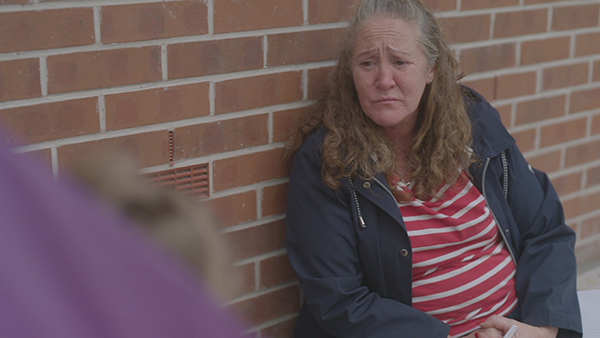
This short documentary features a young woman reflecting on the sexual abuse she experienced as a child and the impact that trauma had on the years that followed.
The film includes discussion of childhood sexual abuse, so please take care if you choose to watch.
What happened before?
The more time I spend making documentary films, the more interested I become in the moments before the labels.
Before someone is described as homeless.
Before they are called an addict.
Before they become an offender or a prisoner.
Those words may describe something that has happened in a person's life, but they rarely explain the person themselves.
And when we stop at the label, we miss the much more complicated human story underneath it.
That doesn't mean people aren't responsible for the choices they make. But choices don't happen in isolation. They are shaped by relationships, childhood experiences, trauma, neglect, opportunity, love, loss and the environments in which we grow up.
Sometimes the connections are uncomfortable to look at.
But that doesn't make them less important.
Looking beyond offending
I've spent time filming inside prisons, and those experiences have stayed with me.
Again and again, I've been struck by how much of a person's story happened long before they ever entered a courtroom.
This feels particularly important when we talk about women in prison. Behind offending there can be histories of violence, abuse, unstable relationships, addiction, poverty and profound disruption stretching back into childhood.
None of this provides a neat explanation for why one person follows one path and somebody else follows another.
Human beings don't work like that.
But if we genuinely want to understand offending — and ultimately reduce it — then surely we have to be curious about what happened before it.
Not simply: What did this person do?
But also: What happened to them? Who was around them? What relationships shaped them? And what might have changed the direction of their life?
The person behind the story
This is one of the reasons I believe documentary storytelling matters.
A film can give us something statistics, headlines and labels can't: time with another human being.
Long enough to hear their voice. To notice the contradictions. To understand something of the relationships and experiences that shaped them.
It doesn't require us to excuse everything somebody has done.
It simply asks us to look properly.
Because human stories are rarely simple.
And that's exactly why I think they're worth telling.
Watch more human stories
Relatively Speaking explores the relationships and experiences that make us who we are — through original documentary films about real people and real lives.
If you'd like to see more, subscribe to Relatively Speaking on YouTube and join us for the next story.
Human relationships, honestly told.


